Imagine standing in front of a spa menu, scanning twenty different facials, and feeling your cheeks start to prickle before anyone even touches your face. If your skin reacts easily, the question which facial is best for sensitive skin is not just about glow. It is about avoiding another week of stinging, redness, and regret.
Many people with reactive skin have had at least one bad experience:
a scrub that felt like sandpaper, a peel that left red patches for days, or a “relaxing” facial that ended with burning and tightness. After that, skipping facials can feel safer than trying again. The twist is that the right medical facial can actually help sensitive skin become calmer and stronger over time.
The difference between a basic spa facial and a medically guided facial is huge. A generic menu cannot answer which facial is best for sensitive skin, because there is no single answer. Safe, effective options depend on careful skin analysis, gentle technology, and soothing ingredients, not on one-size-fits-all steps.
Many dermatologists remind patients that “sensitive skin isn’t a fixed diagnosis – it’s skin that reacts more than it should.”
By the end of this guide, you will understand what “sensitive skin” really means, how to spot your personal triggers, and which facials usually work best for reactive skin. You will also see which ingredients help or hurt, how to prepare and care for your skin, and how SMT Skin Clinic in Lucknow approaches sensitive skin with medical care and compassion.
Key Takeaways
- Facials for reactive complexions should focus on calming irritation, restoring moisture, and strengthening the skin barrier rather than deep peeling or intense scrubbing. A gentle, barrier-friendly facial can still give visible glow without a painful flare.
- The most reliable options when someone asks which facial is best for sensitive skin are custom medical facials, HydraFacial with soft settings, and specialized calming or hydrating treatments. These allow the dermatologist or therapist to adjust every step to match what your skin can handle.
- Soothing ingredients such as niacinamide, ceramides, hyaluronic acid, Centella asiatica, aloe vera, squalane, colloidal oatmeal, and green tea extract usually work well for sensitive skin by supporting repair, reducing redness, and helping the barrier hold moisture.
- Common triggers that often make sensitive skin worse include artificial fragrance, drying alcohols, harsh physical scrubs, high-strength acids, menthol, and strong sulfates. Keeping these out of facials and home care lowers the risk of a bad reaction.
- A proper consultation with a trained professional is vital. Honest discussion of skin history, medical issues, and past reactions lets your dermatologist plan a treatment that is both safe and effective.
- The best long‑term results come when professional facials are combined with a simple, gentle at-home routine and habits that support skin health, such as sleep, stress control, and daily sun protection.
- Medical-grade facials at a clinic like SMT Skin Clinic, led by an experienced dermatologist, have an advantage over standard spa treatments because they use US‑FDA approved devices, science‑backed products, and clear safety protocols for sensitive skin.
Understanding Sensitive Skin: What Makes Your Skin React?
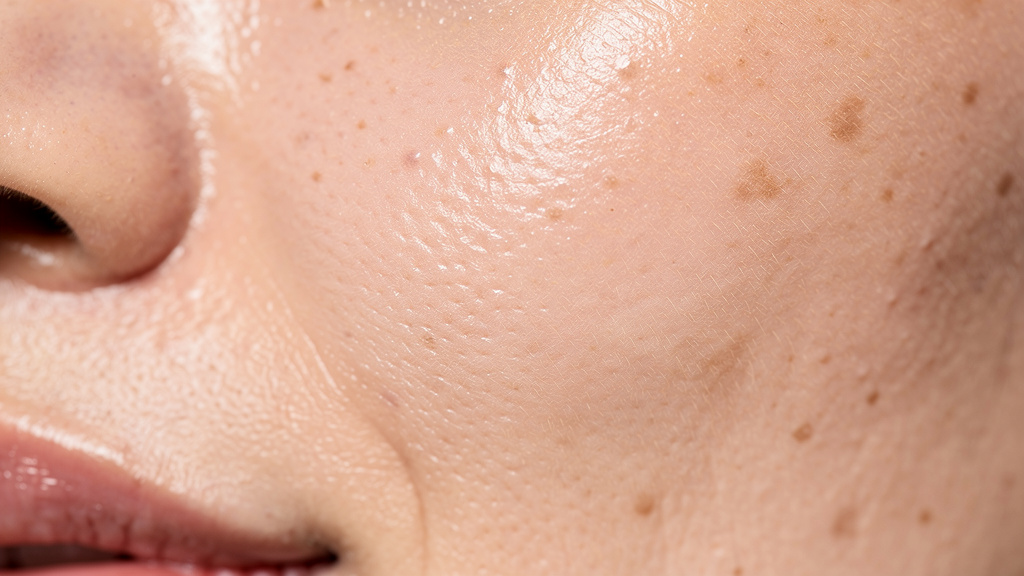
Sensitive skin is not a single disease. It is better seen as a spectrum of reactivity. Some people only flush in winter or after spicy food. Others feel stinging from almost every new product. In all these cases, the outer layer of skin behaves more like a thin, leaky shield than a strong barrier.
When that barrier is weak, irritants and allergens get in more easily and water escapes faster. The result can be redness, burning, itching, tightness, rough patches, or acne‑like bumps even when skin also feels dry. Tiny visible vessels on the cheeks or nose are common as well.
Genetics, environment, lifestyle, and medical conditions all play a part. Understanding these pieces helps your dermatologist decide which facial is best for sensitive skin in your case, because it shows what the treatment needs to calm or avoid.
What Triggers Sensitive Skin Reactions?
Triggers are the sparks that set off redness or burning. They do not create sensitivity on their own but press on weak points in the barrier until the skin reacts.
Common triggers include:
- Genetics
Some people inherit a thinner epidermis or lower levels of natural lipids. If close family members struggle with eczema, rosacea, or very reactive skin, your risk goes up. This background guides a dermatologist at SMT Skin Clinic when choosing facials and ingredients. - Environmental Stress
Strong sun, wind, cold air, indoor heating, and pollution chip away at the barrier. Reactions may show up more in certain seasons or cities, so good clinics adjust plans during hot summers or dry winters instead of repeating the exact same facial every month. - Harsh Skincare Habits
Double scrubbing, strong foaming cleansers, frequent acid toners, and layering several active serums can strip natural oils and disturb pH. Many people see sensitivity improve once they simplify and choose fewer strong actives. - Underlying Medical Conditions
Rosacea, eczema, psoriasis, contact dermatitis, and seborrheic dermatitis keep the skin in a constant state of low‑level inflammation. These need medical care, not only cosmetic attention, and they change which facial is best for sensitive skin. Treatment must be designed and supervised by a dermatologist. - Lifestyle Factors
High stress, poor sleep, smoking, and some foods or alcohol can all increase flare‑ups. A simple symptom diary often helps you connect specific triggers with your reactions, which is the first real step toward calm, predictable skin.
Why Professional Facials Matter for Sensitive Skin

Many people with reactive skin feel that facials are “not for them” because of past bad experiences: tomato‑red cheeks, sore skin, or new breakouts. These memories come mostly from aggressive spa treatments that were never meant for sensitive skin.
A professionally guided facial in a medical clinic is different. At a place such as SMT Skin Clinic, the goal is not just glow on the day of treatment. The aim is to repair the barrier, calm ongoing inflammation, and build resilience over time. Products are fragrance free, exfoliation is controlled and soft, and every step is adjusted if the skin shows even mild discomfort.
“The goal for reactive skin is not a stronger peel, it’s a stronger barrier.”
This is why asking a quick question at a salon desk about which facial is best for sensitive skin is rarely enough. The real answer depends on diagnosis, current skin condition, and medical background. With that information, a dermatologist can choose treatments that soothe instead of shock the skin.
The Therapeutic Benefits of Professional Facials
When done correctly, professional facials for sensitive skin act like a planned therapy session for your barrier.
Key benefits include:
- Fast Calming Of Redness And Discomfort
Gentle massage, cool tools, and soothing serums can reduce surface heat and tightness. Many people notice a more even skin tone and less “hot” feeling right after treatment. - Barrier Repair
Medical facials often include serums and masks rich in ceramides, cholesterol, fatty acids, and humectants like hyaluronic acid. These refill the “mortar” between skin cells so skin holds moisture better and feels supple. - Safe Exfoliation
Instead of rough scrubs, professionals use mild enzyme masks or low‑strength acids under close watch. Dead cells shed, products absorb better, and dullness fades without scratching or stripping. - Ongoing Expert Assessment
At each visit, your provider checks how your skin responded to past sessions and home products, then adjusts the plan. With regular treatment and a calm home routine, skin tends to react less often and handles triggers better.
The Best Professional Facials for Sensitive Skin
When someone asks which facial is best for sensitive skin, the honest answer is “it depends.” Two people with similar redness can have very different causes and ideal treatments. That is why customization matters more than the brand name of the facial.
Still, some facial types usually work well for reactive skin in a medical setting: custom facials, HydraFacial on gentle settings, focused calming facials, and certain soothing add‑on technologies. All of these should be performed by trained professionals, ideally in a clinic where a dermatologist oversees treatment, such as SMT Skin Clinic.
1. Custom Or Personalized Facial
A custom facial is often the best starting point when you want to know which facial is best for sensitive skin.
Typical steps include:
- A detailed conversation about allergies, reactions, current products, medical issues, and lifestyle.
- Close examination of your skin (often with magnification or imaging) to check redness patterns, flaking, oil flow, pores, and any rash or acne.
- Selection of cleansers, serums, masks, and devices after this analysis.
For very sensitive faces, your provider may choose:
- Enzyme exfoliants instead of scrubs
- Short, light‑pressure massage
- Hydrating masks with aloe or Centella asiatica
- Red LED light to calm inflammation
Every step can be adjusted on the spot. If your skin shows even a hint of stress, the plan changes.
At SMT Skin Clinic, custom medical facials are guided by Dr. Shubhshree Misra’s 12+ years of dermatology experience. The team can spot underlying conditions, choose medical‑grade products, and combine facials with prescription care when needed. For first‑timers with sensitive skin, this is often the safest answer to the question which facial is best for sensitive skin.
2. HydraFacial
HydraFacial uses a special handheld device to clean, gently exfoliate, extract, and hydrate in one visit. When settings are adjusted carefully, it can work well for sensitive skin.
Key points for reactive skin:
- Lowest suction levels and the mildest exfoliating fluids, or skipping the acid step entirely.
- Extractions done with vortex suction instead of forceful manual squeezing, lowering the risk of broken capillaries.
- Final infusion of serums rich in hyaluronic acid, niacinamide, aloe, or ceramides, avoiding strong acids and fragrance.
Sessions are fairly quick, so many people fit them into a lunch break. Results often include better hydration, softer fine lines, cleaner pores, and a more even glow with little or no downtime. Under medical oversight at SMT Skin Clinic, HydraFacial becomes a flexible choice when someone wants clear improvement without heavy peeling.
3. Specialized Calming and Hydrating Facials
Calming or hydrating facials are designed to soothe irritated, dehydrated, or over‑treated skin. They are ideal during a flare, after other procedures, or in harsh weather.
These facials usually:
- Start with an ultra‑gentle, pH‑balanced cleanser
- Use minimal or no exfoliation (perhaps a very short enzyme mask)
- Spend most of the time layering calming serums and rich, hydrating masks
Helpful ingredients include niacinamide, Centella asiatica, panthenol, aloe vera, and hyaluronic acid. Cool gel or sheet masks, jelly masks, and cool rollers can further reduce redness and swelling. Red LED light may be added for inflammation; blue light can help if there is acne.
At SMT Skin Clinic, these facials are adjusted by season, adding extra barrier support in winter and oil‑balanced hydration in summer.
4. Beneficial Add-On Technologies
Some gentle technologies can make any facial more effective for sensitive skin without adding irritation when used correctly:
- LED Light Therapy
Red light can reduce inflammation and support collagen. Yellow light may help with flushing and lymph flow. These lights do not heat the skin or break the barrier. - Oxygen Infusion
Pressurized oxygen carries a fine mist of serum onto the skin surface. It feels cool and comfortable and often leaves the skin plumper and fresher. - Custom Jelly Masks
These form a soft layer that traps serums and provides extra cooling. They often contain hyaluronic acid, peptides, or plant extracts and peel away cleanly. - Ultrasonic Infusion
Gentle sound waves help products penetrate the upper layers of skin, offering deeper benefit for people who cannot tolerate needles or strong peels.
At SMT Skin Clinic, such add‑ons are used only when the dermatologist feels they fit your skin, keeping each answer to which facial is best for sensitive skin both safe and realistic.
Key Ingredients: What to Seek and What to Avoid
No matter which facial is chosen, ingredients can make or break the result. A perfect technique can be ruined by one harsh fragrance, while a simple protocol can feel amazing if it uses the right calming agents.
Patch testing is wise for reactive skin: try a new product on a small area for a few days before full use.
Beneficial Ingredients for Sensitive Skin
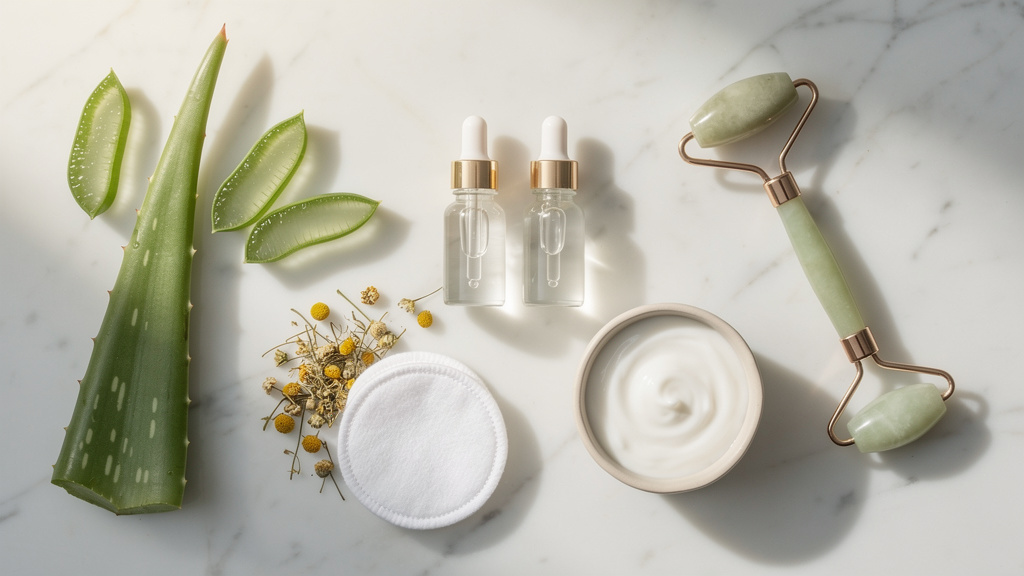
Ingredients with a strong record of helping sensitive skin include:
- Niacinamide (Vitamin B3)
Boosts ceramide production, strengthens the barrier, calms redness, and gently improves texture. Most sensitive skins do well with 2–5%. - Ceramides
Key lipids that fill spaces between skin cells. Products combining ceramides with cholesterol and fatty acids can rebuild a dry, itchy barrier. - Hyaluronic Acid
Attracts and holds water in the outer layers. Works best in fragrance‑free formulas, paired with lipids so moisture does not evaporate quickly. - Centella Asiatica (Cica)
Used for years in wound care. Its compounds soothe inflammation, support repair, and reduce redness, especially in post‑procedure skin. - Aloe Vera
Offers a familiar cooling effect, hydrates, and brings vitamins and minerals to the skin. Look for formulas where aloe is high on the ingredient list. - Squalane
A light oil similar to natural sebum. It seals in hydration, supports barrier health, and rarely clogs pores. - Green Tea Extract
Rich in antioxidants such as EGCG, helping defend against pollution and mild UV damage while calming redness. - Colloidal Oatmeal
Forms a soft film on the skin, eases itching, and comforts eczema‑prone areas.
Other helpful ingredients include panthenol, allantoin, bisabolol, low‑strength azelaic acid, and licorice root extract. All focus on soothing and barrier support.
Ingredients and Practices to Avoid
Knowing what to skip is just as important:
- Artificial Fragrance
“Fragrance” or “parfum” on labels can hide many chemicals. Even “unscented” items may contain masking scents. Fragrance‑free products are safer for leave‑on use. - Drying Alcohols
Denatured alcohol, SD alcohol, or isopropyl alcohol in high amounts strip oils and damage lipids. They differ from fatty alcohols (like cetyl or cetearyl), which are usually gentle. - Harsh Physical Scrubs
Ground nut shells, apricot pits, sugar, or salt can create small scratches, worsening redness and stinging. Mild enzyme or low‑strength acids under professional guidance are safer. - High-Strength Acids And Strong Retinoids
Glycolic or lactic acids above 10%, strong salicylic acid, and fast jumps to powerful retinoids often trigger flares. They should never be the first step when asking which facial is best for sensitive skin. - Menthol And Strong Peppermint
That “minty” feel is actually irritation. Many sensitive skins react with more redness later. - Strong Sulfates (SLS, SLES)
These cleansers foam well but strip the barrier. - Aggressive In-Clinic Procedures
Deep chemical peels, ablative lasers, or traditional microneedling can be too intense for fragile skin. They should be considered only inside a full medical plan at a clinic like SMT Skin Clinic, often after the barrier has been strengthened.
Preparing for Your Facial: Communication and Consultation
Good results start before the day of your facial. When you are trying to decide which facial is best for sensitive skin, the most powerful tool is not a device or cream; it is clear, honest communication between you and your provider.
Preparation gives your dermatologist a full picture of your skin and health, and it lets you ask questions so you feel confident about the plan.
Before Your Appointment
Try these steps:
- Schedule A Separate Consultation (if possible)
This avoids feeling rushed and gives you time to think about recommendations. - Write Down Your Skin History
Include:- Allergies and past reactions
- Diagnoses such as rosacea, eczema, psoriasis, or melasma
- All skincare products and medicines (including oral drugs and supplements)
- Note Your Triggers
When does your skin feel worst? Cold weather, stress, spicy food, certain sunscreens? These clues help choose the safest facial. - Prepare Questions
For example:- Which facial is best for sensitive skin with my level of redness or dryness?
- Which products and devices will you use?
- What results are realistic and how long will they take?
- How should I care for my skin afterward?
- Follow Pre-Facial Guidelines
Most clinics ask you to stop strong retinoids and acids a few days before treatment and to avoid heavy sun exposure or tanning beds for at least a week. Arrive with a clean, makeup‑free face so your skin can be assessed clearly.
During Your Consultation
A thorough consultation usually includes:
- Skin Examination
Your provider examines your skin under bright, neutral light, sometimes using magnification or digital imaging to see redness, pigment, or early sun damage. - Medical History Review
Past illnesses, current medications, allergies, hormones, and lifestyle patterns (stress, sleep, smoking) all influence which facial will be safest. - Setting Clear Goals
Do you care most about redness, acne, pigmentation, or early wrinkles? Your provider should explain which treatments they recommend, why they suit you, and what will be avoided.
Patch tests may be done for new products or devices. A good clinic explains realistic limits and gives clear pricing and a suggested schedule. If you feel rushed, unheard, or pushed toward aggressive options without reason, consider choosing a more patient‑centred clinic such as SMT Skin Clinic.
Post-Facial Care: Protecting Your Investment
What you do after a facial can matter as much as what happens on the treatment bed. Right after a session, the skin often feels soft and pampered, but the barrier can be a bit more open. Proper aftercare helps you keep that fresh result without triggering new irritation.
Sensitive skin needs extra‑gentle handling during the first couple of days. Simple routines and good sun protection are your best friends.
Immediate Aftercare (First 24–48 Hours)
For the first two days:
- Cleanse with a mild, fragrance‑free product and lukewarm water. Use fingertips only; pat dry with a soft towel.
- Apply a barrier‑repairing moisturizer with ceramides, squalane, or colloidal oatmeal. Reapply if the skin feels tight or itchy.
- Use a broad‑spectrum mineral sunscreen (at least SPF 30) with zinc oxide or titanium dioxide, even if you stay mostly indoors.
- Avoid:
- Direct sun, saunas, and steam rooms
- Very hot showers and intense exercise
- Swimming pools and sea water
- Exfoliants, vitamin C, retinoids, and other acids
- Heavy makeup (if needed, use light mineral formulas and remove them gently)
Mild pinkness or warmth that fades within a day is common. Strong redness, swelling, blisters, hives, or intense burning are not; contact your provider or SMT Skin Clinic if this happens.
Ongoing Care and Maintenance
After 48–72 hours, most people can return slowly to their regular routine:
- Reintroduce active products one at a time, starting with the gentlest (for example, niacinamide).
- Use actives every other night at first and watch for stinging, scaling, or burning. If these appear, stop the new product and go back to basics.
- Many sensitive skin types do well with monthly facials for maintenance. More frequent visits may be used early on under dermatological guidance.
Lifestyle matters too: good sleep, stress management, enough water intake, and a diet with fruits, vegetables, and healthy fats all support the skin from within. Taking photos every few weeks helps you and your provider see real progress over time.
Building Your At-Home Skincare Routine for Sensitive Skin
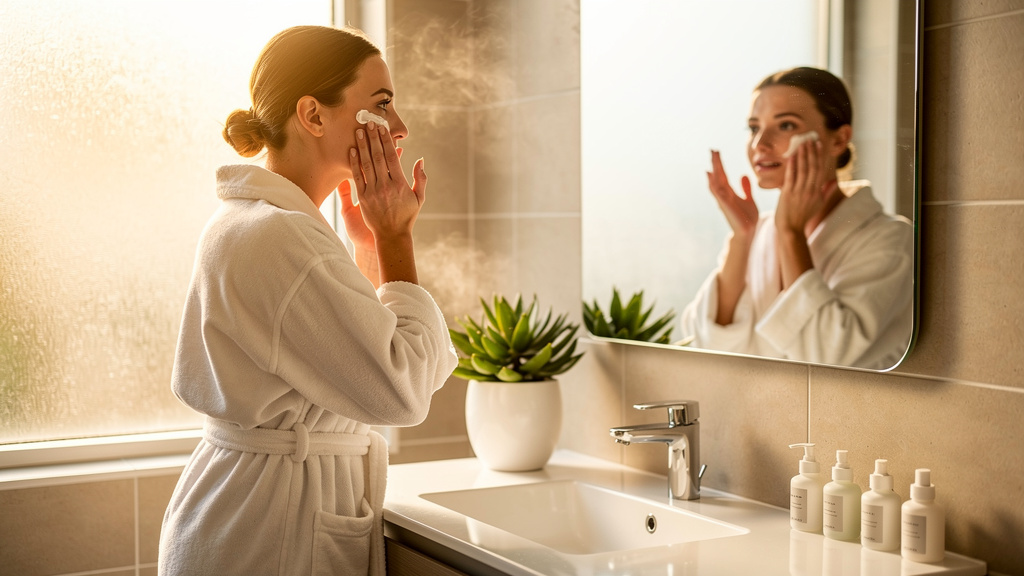
Professional facials can reset and support the skin, but daily habits decide whether that progress lasts. For sensitive complexions, a calm, steady routine beats a crowded shelf of trendy products.
The goal is to move from chasing flare‑ups to preventing them. A stable home routine also helps your dermatologist at SMT Skin Clinic choose which facial is best for sensitive skin at each visit, because your barrier stays more predictable.
The Foundational Four-Step Routine
Most sensitive‑skin routines can be built around four basic steps:
- Gentle Cleansing
- Evening: a cream, lotion, or soft gel cleanser that is pH‑balanced, fragrance‑free, and free of strong sulfates.
- Morning: for many, just water or micellar water is enough.
- Keep water lukewarm, limit cleansing to about one minute, and avoid washcloths or brushes.
- Calming Serum
- Morning: niacinamide plus hyaluronic acid works well for many people.
- Night: Centella asiatica, panthenol, or peptides can support repair.
- Apply a small amount on slightly damp skin and wait a minute before the next step.
- Moisturizer
- Choose a fragrance‑free cream or lotion rich in ceramides, squalane, or colloidal oatmeal.
- Light textures suit daytime; thicker creams or balms help overnight recovery.
- Extend to the neck and chest, which often show sensitivity too.
- Sun Protection (Morning)
- Use a mineral sunscreen with at least SPF 30 and broad‑spectrum coverage.
- Cover all exposed areas, including ears and neck, and reapply if you are outdoors.
Advanced Care and Actives (When Appropriate)
Once the basic routine feels safe for at least four to six weeks, and flare‑ups are rare, you and your dermatologist can discuss actives for specific concerns like acne, pigment, or wrinkles.
Guidelines for sensitive skin:
- Start with very mild acids, such as polyhydroxy acids (PHAs), used once or twice a week at night and always followed by moisturizer.
- Introduce retinoids slowly:
- Begin with softer forms (like retinyl esters or modern gentle complexes), not prescription strength.
- Use a pea‑sized amount twice a week at first.
- Apply over a thin layer of moisturizer (“buffering”) to reduce dryness.
- Follow a strict one-new-product-at-a-time rule, waiting 2–3 weeks before adding anything else.
If your skin starts to sting, peel heavily, or feel hot, pause the active product and return to the foundational routine. For higher‑strength acids or prescription retinoids, always work under the guidance of a dermatologist, especially when you already struggle to find which facial is best for sensitive skin.
SMT Skin Clinic’s Approach to Sensitive Skin Facials
SMT Skin Clinic in Lucknow focuses on people who want medical precision with a warm, supportive approach. This is especially important for anyone whose first question is which facial is best for sensitive skin, because the wrong choice can cause pain and a loss of confidence.
Led by Dr. Shubhshree Misra, a dermatologist with more than twelve years of experience, the clinic treats sensitive skin as a medical concern, not just a cosmetic worry. Every facial protocol is rooted in dermatological science, uses US‑FDA approved technology, and follows clear safety steps. At the same time, the team understands how upsetting repeated reactions can be and works to make each visit as comfortable as possible.
Why Medical-Grade Facials Make a Difference
Receiving facials in a medical dermatology clinic offers clear advantages:
- Deeper Assessment
Dr. Misra can diagnose conditions such as rosacea, eczema, or contact dermatitis that often sit behind sensitive skin but go unnoticed in salons. She also considers internal health, medications, and hormones. - Medical-Grade Products and Devices
Concentrations of active ingredients are carefully chosen and stabilized, and all devices are US‑FDA approved. For sensitive skin, even small differences in formula can change how your skin reacts. - Scientifically Planned Treatment
If you ask which facial is best for sensitive skin and issues such as melasma or acne, the answer will consider the whole picture. Facials can be combined with prescription creams, oral medicines, or light‑based therapies in a coordinated way. - Strong Safety Focus
The team screens for contraindications, monitors your skin during treatment, and documents each session so future visits build on previous knowledge.
Personalized Care at SMT Skin Clinic
At SMT Skin Clinic, no two patients receive the same facial plan. Your visit begins with a thorough consultation, including medical history, lifestyle patterns, and skin goals. Advanced tools support detailed skin analysis, from surface texture to deeper pigment and vessel changes.
Based on this information, your dermatologist designs a fully customized treatment plan:
- Products are chosen according to your tolerance.
- Techniques are adjusted to keep you comfortable while still moving toward your goals.
- Treatments change over time as your skin calms or your concerns shift.
The team also pays attention to how sensitive skin affects confidence. Staff listen carefully, answer questions without rushing, and explain each step so you feel in control.
Support continues at home with guidance on routines, follow‑up visits, and how to handle mild flares. The focus stays on visible, lasting improvement in comfort and resilience, backed by medical science and kind care.
Common Questions About Facials for Sensitive Skin
People with reactive skin often carry a long list of worries when they consider professional treatment. Honest answers can make choices less stressful and help you decide which facial is best for sensitive skin in your situation.
FAQ 1: How Often Should I Get a Facial If I Have Sensitive Skin?
Most people with fairly stable sensitive skin do well with a monthly facial. This pace lets the barrier recover between sessions while still building progress. During an early phase, when redness or acne is more active, your dermatologist may suggest visits every two or three weeks for a short time. The key is to combine facials with a gentle home routine so your skin is not overloaded. If you ever feel more reactive than usual, it is fine to lengthen the gap before your next treatment.
FAQ 2: Can I Wear Makeup After a Facial for Sensitive Skin?
If possible, skip makeup for at least 24 hours after a facial. This rest period lets soothing serums and creams keep working without pigments or extra ingredients on top. When makeup is necessary, use light mineral products without fragrance, apply them gently, and remove them with a soft cleanser or micellar water instead of harsh wipes. Planning facials on days when you can stay bare‑faced makes aftercare much easier.
FAQ 3: Will A Facial Make My Sensitive Skin Worse?
A well‑chosen, professionally guided facial should not make sensitive skin worse. Mild redness that fades within a few hours can be normal. Strong burning or flares that last days are signs that the treatment was not right for you. Red flags include very harsh scrubs, painful extractions, strong scents, or a therapist who ignores your feedback. To reduce risk, choose a medical clinic like SMT Skin Clinic, where a dermatologist plans your care and can patch test new products when needed. Speak up during treatment if anything feels uncomfortable so it can be adjusted.
FAQ 4: Are At-Home Facial Tools Safe for Sensitive Skin?
Many at‑home tools look tempting but can be risky for fragile skin. Motorized brushes, suction pore cleaners, at‑home dermaplaning blades, and unregulated microcurrent devices may scratch, over‑exfoliate, or spread bacteria. If you already struggle to find which facial is best for sensitive skin, heavy gadgets at home are rarely helpful. Some tools can be safer when used correctly, such as gua sha stones with feather‑light pressure, cold globes, or US‑FDA cleared LED masks on gentle settings. Even then, hygiene is vital, and it is wise to ask your dermatologist before starting.
FAQ 5: What Should I Do If My Skin Reacts Badly to a Facial?
If you notice strong redness, swelling, burning, or hives after a facial:
- Contact the clinic that treated you as soon as possible.
- Stop all active products (acids, retinoids, scrubs, strong serums).
- Use a basic routine of gentle cleanser, bland moisturizer, and mineral sunscreen.
- Apply cool (not icy) compresses with a clean, soft cloth to bring relief.
- Do not pick, scratch, or peel flaking areas.
If breathing becomes difficult or swelling affects the eyes or lips, seek emergency medical care. For non‑urgent but persistent reactions, visit a dermatologist such as Dr. Misra at SMT Skin Clinic, who can prescribe medical creams and help plan safer facials in the future.
Conclusion
Sensitive skin does not mean you must avoid facials forever. It means you must choose wisely, prepare well, and listen to your skin. When you understand your triggers, recognize helpful ingredients, and work with a medical team, facials can shift from scary to supportive.
Custom medical facials, gentle HydraFacial settings, and calming treatments can all be part of the answer to which facial is best for sensitive skin. The right choice depends on your diagnosis, your current barrier state, and your goals. With guidance from a dermatology‑led clinic like SMT Skin Clinic, you can enjoy the benefits of professional care while keeping your skin calm and comfortable. Over time, that combination of smart facials and kind home care builds a complexion that looks better and feels safer in its own skin.